01
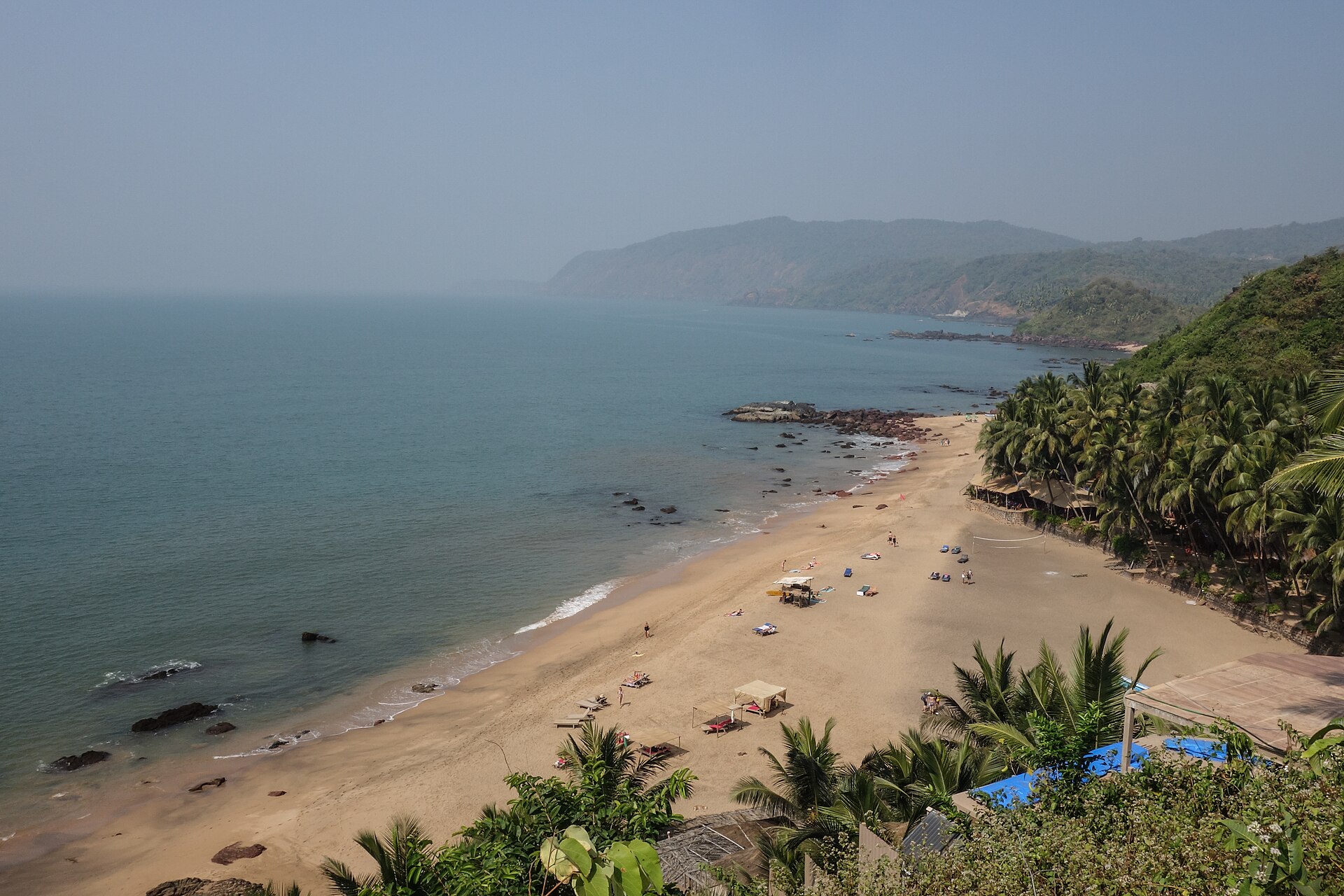
Goa enters as a scene.
Full-bleed image movement gives the homepage atmosphere before the reader reaches any archive.

UK to Goa · scroll story prototype
A living storyboard for the move: layered Goa imagery, kinetic chapter cards, horizontal story beats and motion that guides the route instead of decorating it.
Animated website direction
Closer to the HTMLBurger examples: bold motion typography, layered imagery, horizontal story movement and interactive cards. Still TLWH: warm, useful, and about the real move.
Full-bleed image movement gives the homepage atmosphere before the reader reaches any archive.
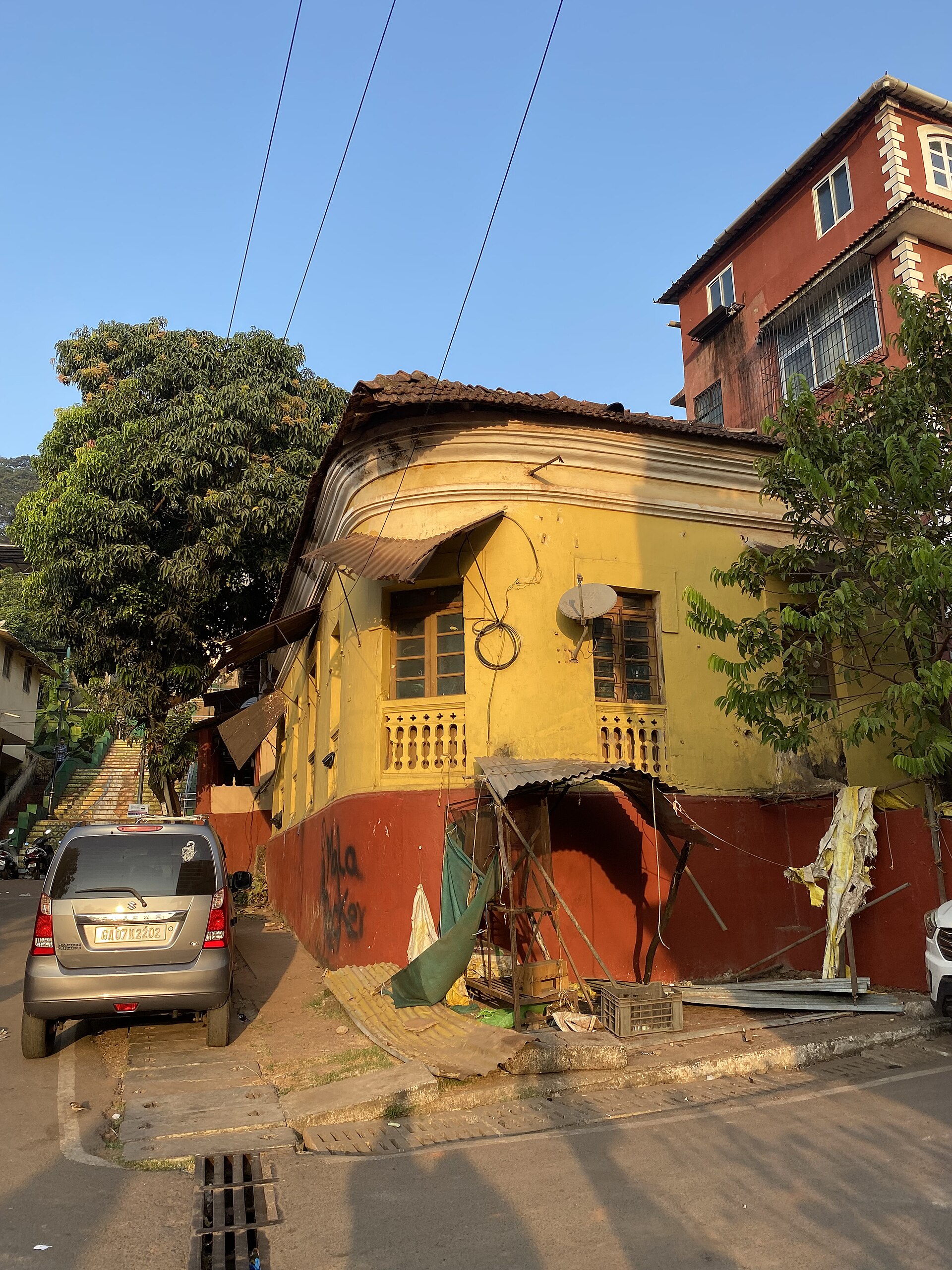
The destination feels lived-in rather than postcard-flat.
Dog travel, house requirements and costs move through the page like the real planning table.
Movement points people toward actual content, not just a showpiece.
Start here
The Long Way Home should not feel like a generic travel blog. It should feel like a family table with maps, dog paperwork, house notes, old India memories, half-packed boxes and a real question underneath it all: what does it take for a route to become home?
This version uses the two approved Goa images as the working visual system now. Personal pictures can still replace or extend the image set later, but the homepage no longer depends on empty boxes to feel complete.
Visual diary
The approved Goa images now do more of the storytelling: beach, colour, route, logistics and chapter cards. Later, personal photos can be added as upgrades rather than structural gaps.
Vet timelines, crates, heat, routines and the emotional load of moving pets internationally.
Garden, shade, internet, monsoon checks, village rhythm and dog-safe space.
Animated route
The route now sits inside the imagery system instead of feeling like a separate diagram: UK planning, dog paperwork, house requirements, costs and Goa all have visual weight.
Website content plan
The social batches can run in parallel, but the website needs useful pages that compound over time: journal notes, dog logistics, house-hunt evidence, costs and the personal archive.
Start-here, first journal note, dogs, house hunt and cost-log pages stay reviewable while we gather real family images.
Dog paperwork timelines, South Goa house-viewing checklist, remote-work setup notes and a relocation budget template.
Short videos, map notes, village impressions, personal photos and the things we only learn once we are actually there.
Field notes, not finished guides
When we have enough real experience to be helpful, we’ll turn it into proper notes: dog paperwork timelines, house-hunt checklists, cost logs and what we got wrong. Until then, we’ll be clear about what is lived experience and what is still research.
Follow daily updatesFollow along
Short updates, longer videos, field notes and the bits that probably become checklists later.